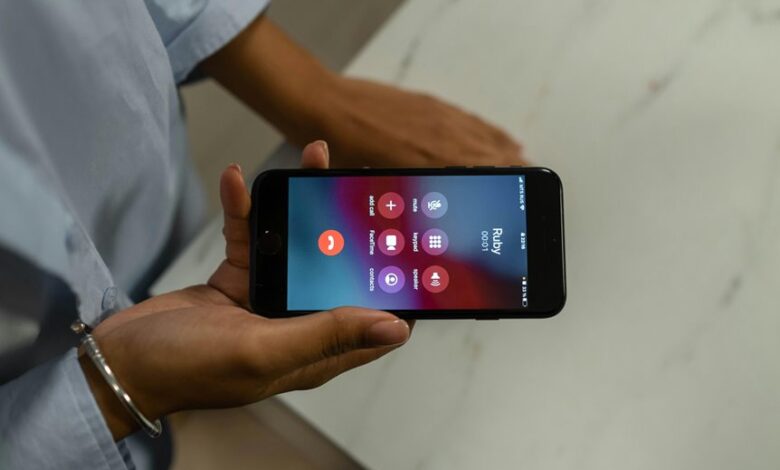
The Caller Fraud Protection Hub’s Scam Call Checker explains how phone verification tools function by cross-referencing numbers across multiple data sources and evaluating call patterns. It decodes caller signals, weighs reputation against verified data, and applies a transparent risk score. The approach is methodical and evidence-based, aimed at reducing false positives while preserving legitimate communication. The implications for personal and business lines are significant, yet practical questions remain about implementation and reliability—areas worth careful consideration as the framework is applied.
How Phone Verification Tools Work in Practice
Phone verification tools operate by cross-referencing a target phone number against multiple data sources to assess legitimacy and risk. In practice, analysts examine call patterns, geo-velocity, and historical flags to assemble a composite view. Verification tools in practice emphasize transparency and reproducibility. Risk scoring methods translate evidence into a scalar, guiding cautious decisions while preserving user autonomy and freedom of choice.
Decoding Caller ID, Reputation, and Risk Scoring
Decoding Caller ID, Reputation, and Risk Scoring requires a careful disentangling of signals that underpin caller legitimacy.


Analysts assess decoding caller signals, cross-check reputation risk scoring, and weigh phone verification tools in practice.
Cautious scrutiny enables scam tactic spotting, guiding implementing best practices.
The balance informs decisions for personal lines for business while preserving autonomy and freedom in communications.
Spotting Scam Tactics With the Scam Call Checker
Spotting scam tactics with the Scam Call Checker requires a disciplined, evidence-based approach. Analysts compare call metadata, calling patterns, and content signals to identify inconsistencies without bias. The process relies on clear criteria and verification tools to corroborate risk assessments. When indicators align, users gain actionable insight, strengthening discernment while maintaining autonomy and trust in independent verification.
Implementing Best Practices for Personal and Biz Lines
To implement best practices for personal and business lines, a structured framework is required to minimize risk and maximize reliability. The approach emphasizes scam detection through layered verification tools, regularly assessing caller reputation, and applying consistent risk scoring. This method supports informed decisions, reducing false positives while ensuring genuine interactions persist, enabling secure, flexible communication and sustained trust across channels.
Conclusion
The analysis shows that phone verification tools operate as an evidence-driven triage system, integrating cross-source data, call-pattern analysis, and geo-velocity to construct a transparent risk score. Decoding metadata and observed content reveals inconsistencies that illuminate potential threats. The Scam Call Checker translates these signals into actionable guidance, prioritizing caution without unduly blocking legitimate contact. Like a meticulous watchdog, it balances protection with practicality, guiding users to disciplined verification and prudent communication practices for personal and business lines.