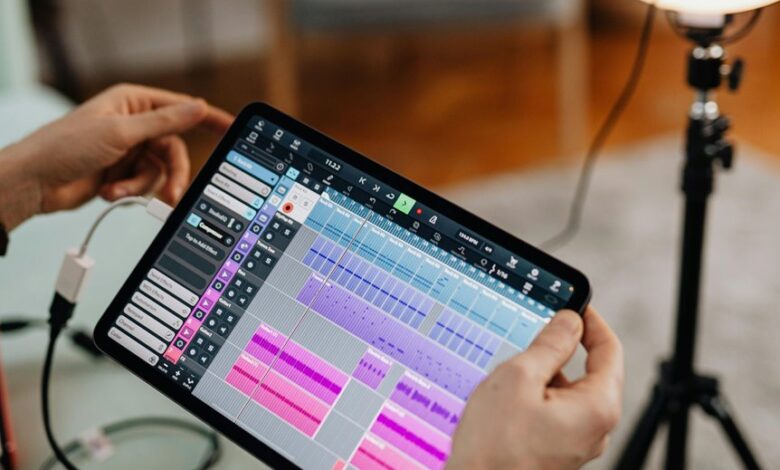
Endbugflow offers structured collaboration and centralized asset management that can streamline music projects from idea to mix. It emphasizes versioned workflows, clear milestones, and deterministic routing, which supports reproducible results. However, real-time routing may be constrained, plugin compatibility can vary across hosts, and cross-environment workarounds may be needed. For teams prioritizing transparent ownership and scalable processes, the tradeoffs are worth evaluating against budget and setup. The decision hinges on whether these disciplined workflows align with the project needs.
Is Endbugflow a Good Fit for Your Music Workflow
Endbugflow offers an integrated workflow that can align with common music production stages, from project organization to collaboration and delivery. The assessment centers on fit, scalability, and measurable outcomes. Endbugflow workflow supports iterative creativity with transparent ownership and fast iteration loops. Arranging potential is enhanced through structured routing, clear milestones, and seamless collaboration, enabling producers to evaluate compatibility and optimize alignment with their freedom-driven process.
What Endbugflow Handles Well for Arranging and Production
Endbugflow excels at streamlining arranging and production by prioritizing structured organization and transparent collaboration. The platform delivers clear task delineation, versioned project structures, and deterministic routing of ideas to tracks, aiding reproducibility. Endbugflow features robust clip and arrangement views, while workflow integration ensures seamless handoffs between composition, editing, and mixing phases. This supports efficient creativity within freedom-focused teams.


Where Endbugflow Falls Short and When to Look Elsewhere
While Endbugflow excels at organization and collaboration, certain limitations may hinder specific workflows and project scales.
The shortcomings include constrained real-time routing, which can impede low-latency sessions, and uneven plugin compatibility across hosts, potentially forcing workarounds.
Teams should anticipate the avoidance of latency trade-offs and evaluate external tools when demanding audio fidelity, stability, and cross-platform plugin support exceed built-in capabilities.
How to Evaluate Endbugflow for Your Setup and Budget
To determine whether Endbugflow fits a given setup and budget, teams should map their operational needs to the software’s core strengths: project organization, collaboration, and centralized asset management, then assess gaps such as real-time routing and cross-host plugin compatibility.
The evaluation focuses on budget compatibility and plugin interoperability, prioritizing scalable workflows, cost transparency, and interoperability constraints for informed, autonomous decision-making.
Conclusion
Endbugflow proves most effective when a team seeks orderly collaboration, centralized asset management, and transparent ownership over a reproducible workflow. It nudges projects toward clear milestones and deterministic routing, reducing handoff friction. However, teams should temper expectations for real-time routing and cross-host plugin compatibility, as these may introduce subtle delays or workarounds. Overall, the platform guides orderly progress; for some studios, it may gently imply a need for supplementary tools to fully realize an optimal, collaborative production environment.