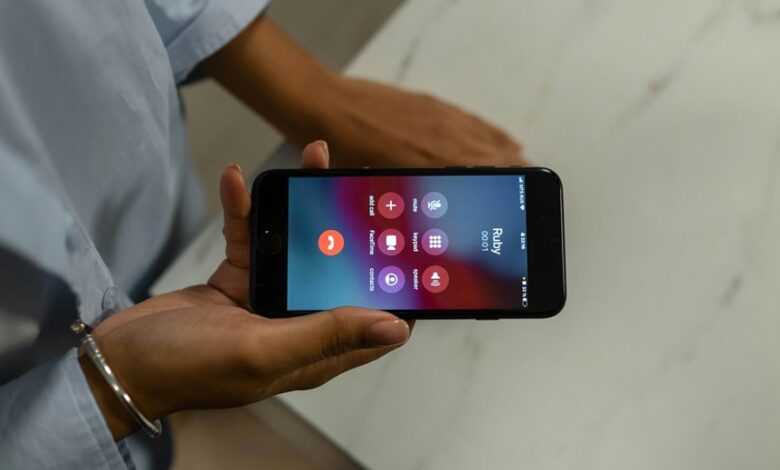
Verification searches in the Caller Safety Insight Hub determine if a number is linked to spam, misdirection, or fraud by analyzing patterns, history, and reported behavior. Data comes from user signals, telecom partner feeds, and aggregated threat intelligence, all protected by privacy safeguards. Results show flags and confidence scores, plus practical actions to verify numbers. This approach aims for transparency and user autonomy, offering concrete steps while inviting further discussion on how these signals are interpreted and applied.
What Verification Searches Actually Do for Spam Calls
Verification searches for spam calls function primarily to determine whether a given number is associated with known spam activity, misdirection, or fraudulent schemes. The process evaluates patterns, history, and reported behavior to support informed decisions. It emphasizes transparency and safety, enabling informed choices. This approach supports reliable spam call detection while preserving user autonomy and empowering responsible communication without fear.
Where the Data Comes From and How We Protect Privacy
Data sources for the system come from a mix of user-reported signals, telecommunication partner feeds, and aggregated industry threat intelligence. The article describes data provenance, data sources, and privacy safeguards with a focus on transparency. Privacy controls are embedded to limit exposure, minimize retention, and enable user choice. The approach emphasizes verification, auditable handling, and disciplined data governance for freedom and trust.


How to Read Results: Flags, Confidence, and Actions You Can Take
The article now explains how readers interpret results by focusing on common indicators such as flags, confidence scores, and practical actions. Readers assess flags for legitimacy, interpret confidence as reliability, and follow suggested actions to verify numbers. This approach offers discussion ideas, verification insights, and data privacy awareness, guiding informed choices while maintaining clarity, restraint, and freedom in evaluation.
Practical Use Cases and Best Practices for Staying Safe
Practical use cases illustrate how individuals apply verification results to everyday decisions, from avoiding nuisance spam to protecting personal information. In practice, users compare caller data against trusted sources, document suspicious patterns, and adjust contact settings.
Safety considerations emphasize minimal data sharing and timely reporting.
Data ethics underscore respectful handling of identifiers, consent where possible, and transparent justification for blocking or flagging numbers.
Conclusion
In short, verification searches illuminate patterns behind spam calls, translating messy signals into clear flags, confidence levels, and practical steps. By combining user reports, partner feeds, and threat data, they help users decide when to answer, block, or investigate further. Think of it as a radar that converts static into actionable insight, guiding safer communication. Clarity, transparency, and user control stay central, ensuring privacy while empowering proactive protection.