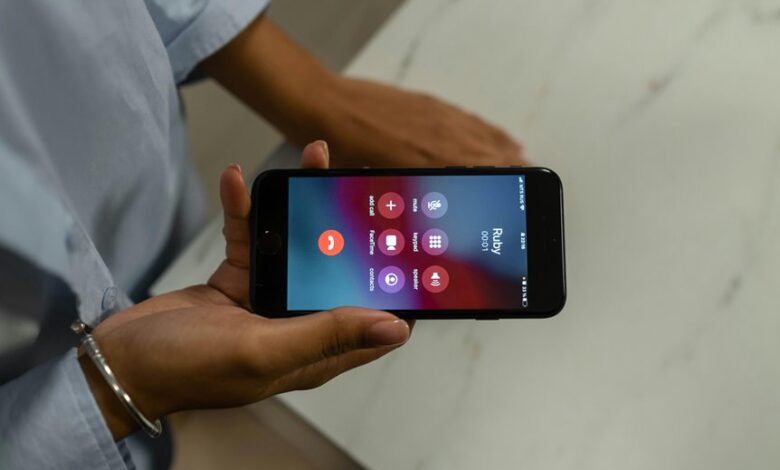
Caller Safety Insight Hub’s Scam Number Checker explains number validation searches in a clear, cautious way. The approach describes how a caller’s number is checked for origin, structure, and history without asserting certainty. Real-time red flags trigger alerts while maintaining privacy and transparency. The result set guides safety steps and emphasizes consent, cross-checking, and ongoing improvements. The framework offers practical safeguards, but its limits invite further consideration as practices evolve.
What Number Validation Does for Scam Checks
Number validation for scam checks serves as a foundational step in assessing caller legitimacy. The process filters signals from digits, patterns, and historical data to identify suspicious activity without claiming certainty. It reduces risk, yet can produce false positives. Attention to data privacy remains essential, guarding personal information while enabling rapid assessment and preserving user freedom and trust.
How the Checker Validates a Caller’s Number
The checker validates a caller’s number by systematically verifying its structure, origin, and historical behavior before any interaction proceeds.


Using a neutral lens, it employs a comparison framework to assess patterns while safeguarding user autonomy.
Privacy considerations guide data handling, limiting exposure and retention.
Results inform risk judgments without sensational claims, enabling informed, voluntary engagement with continued safeguards.
Red Flags the System Looks For in Real Time
Red flags are identified in real time by monitoring for patterns and anomalies that diverge from established, legitimate calling behavior. The system conducts continuous checks, comparing incoming signals against historical baselines to detect suspicious traits. When anomalies arise, automated alerts trigger restricted access and safety protocols. Transparent, measured responses prioritize user autonomy, caution, and rapid reassurance during potential threat assessment. real time; system checks, safety.
Interpreting Results and Next Steps for Safety
Interpreting results involves translating automated findings into actionable safety steps. The analysis emphasizes real time validation, cross checking, and caller consent to reduce false positives while preserving data privacy.
User education informs decisions about reporting mechanisms and monitoring patterns.
Caution guides next moves, including disclosure when appropriate, awareness of phone spoofing risks, and maintaining transparent procedures for ongoing safety improvements.
Conclusion
The system’s number validation for scam checks offers a clear, cautious framework: it describes structure, origin, and behavior without claiming certainty, flags potential risk in real time, and guides steps with user consent and cross-checks. An example: a hypothetical call shows a spoofed number triggering a red flag, prompting verification through independent sources before any action is taken. This approach prioritizes privacy, transparency, and user safety while allowing ongoing improvement as new data emerges.