Caller Safety Insight Hub Robokiller Phone Number Lookup Explaining Phone Verification Tools

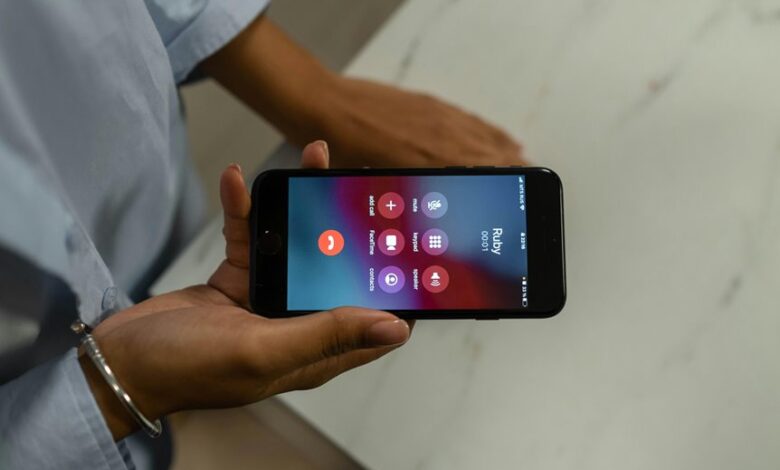
Caller Safety Insight Hub explains Robokiller’s Number Lookup as a tool that aggregates signals such as device fingerprints, call patterns, and cross-referenced databases to assess caller legitimacy in real time. The framework emphasizes dynamic scoring, ongoing validation, and transparency while preserving user autonomy and privacy. It highlights carrier provenance, metadata anomalies, and spoofing indicators to guide cautious engagement, offering an evidence-based approach that invites further consideration before initiating any contact. The implications for everyday use warrant continued scrutiny and discussion.
What Robokiller’s Number Lookup Can Verify
Robokiller’s Number Lookup is designed to verify caller-related details by cross-referencing incoming numbers against known databases and community-reported patterns.
The system flags suspicious origins, patterns, and reported behaviors, contributing to risk assessment without exposing private data.


It illuminates robocall ethics considerations and verification pitfalls, offering evidence-based insights while preserving user autonomy and freedom through transparent, measured verification practices.
How Phone Verification Tools Work in Practice
Phone verification tools operate by aggregating multiple data signals to assess a caller’s legitimacy in real time. They synthesize device fingerprints, call patterns, and cross-referenced databases to estimate risk. Outcomes hinge on phone accuracy and caller history, guiding dynamic scoring rather than binary judgments. Practitioners emphasize ongoing validation, error reduction, and transparency to balance security with user autonomy.
Spotting Spoofing: Interpreting Carrier Provenance and Caller ID
Spotting spoofed calls requires a disciplined appraisal of carrier provenance and caller ID signals. The analysis focuses on metadata, signaling anomalies, and provider transparency to distinguish legitimate routes from deceptive redirection. Evidence-based scrutiny, not intuition, guides interpretation of carrier provenance. Observers note inconsistencies in timing, hops, and branding, helping identify spoofing patterns while preserving user autonomy and freedom from intrusiveness.
Using Verification Results to Stay Safe Before Answering
Verification results provide a structured basis for assessing incoming calls before answering. The analysis emphasizes verification accuracy as a core metric, enabling proactive decision-making without surrendering autonomy. Users should note spoofing indicators, such as inconsistent metadata or mismatched call provenance, to filter risky attempts. Integrated tools support informed silence or cautious engagement, reducing exposure while preserving personal freedom and safety.
Conclusion
Robokiller’s number lookup aggregates signals—device fingerprints, call patterns, and database cross-references—to produce a dynamic risk score rather than a binary verdict. In practice, this evidence-based approach supports cautious engagement, prioritizing transparency, privacy, and ongoing validation. By interpreting carrier provenance, metadata anomalies, and spoofing indicators, users gain context before answering. The framework behaves like a calibrated compass, guiding safer interactions while acknowledging uncertainty and avoiding overconfidence in any single signal. This vigilance strengthens, not replaces, prudent decision-making.