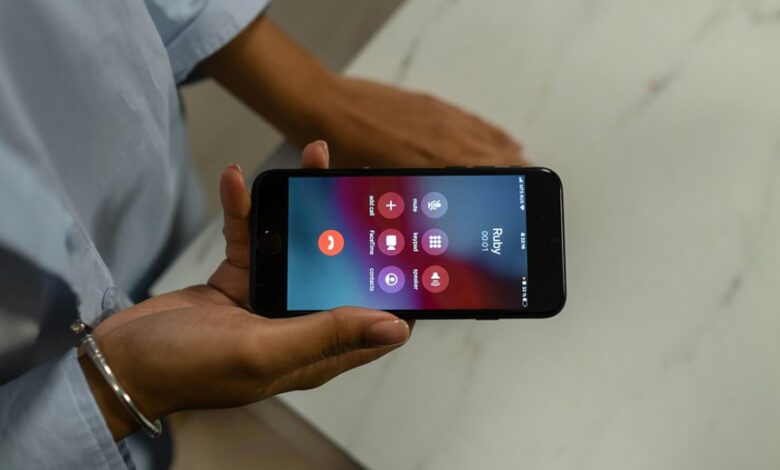
Caller identification and related search patterns are increasingly used by automated robocalls to mislead and prompt urgency. The guide outlines how spoofed numbers, randomized dialing, and payoff phrases signal risky activity. It emphasizes documenting calls, logging metadata, and reporting suspicious behavior. The objective is to deter abuse while protecting legitimate communications, supported by blockers and verification tools. Stakeholders should consider privacy controls and policy implications as gaps persist and ongoing evaluation is required.
What Is Caller Identification and Why It Matters
Caller identification refers to the data and methods used to display the originating number or name of an incoming call. This article defines Caller ID basics, noting Privacy concerns and Robocall tactics. It discusses Call blocking, Caller data security, and Spam filtering, while clarifying Telemarketing legality, Consent requirements, Identity spoofing, and Voice phishing to support informed freedom and responsible use.
Common Robocaller Tactics and the Keywords They Use
Robocallers frequently rely on a core set of tactics designed to maximize reach and minimize detection, including call ID spoofing, automated voice prompts, and randomized dialing patterns.


This guide enumerates common tactic keywords, highlighting payoff phrases that imply urgency or gain.
Understanding these signals helps analysts classify techniques, assess risk exposure, and implement targeted controls while preserving legitimate calling flexibility.
How to Respond: Recognize, Record, and Report
Recognizing the tactics identified in the previous subtopic leads to a structured response framework: individuals and organizations should promptly identify suspicious calls, document observable details, and report incidents to the appropriate channels. This approach encourages recognize patterns, record details, preserve evidence, and report spam efficiently, while avoiding unnecessary exposure. Clear procedures support accountability, deterrence, and a freedom-based commitment to safer communications.
Choosing Tools and Best Practices to Protect Yourself
Effective protection hinges on selecting appropriate tools and adhering to best practices that reduce exposure to unwanted calls while preserving legitimate communications. The guidance emphasizes choosing tools that filter unknown numbers, block robocalls, and verify caller identities.
Implement consistent reporting protocols, update permission settings, and maintain privacy controls. Users should evaluate options by performance, transparency, and alignment with personal freedom and lawful communication needs, applying best practices.
Conclusion
Caller identification practices play a critical role in safeguarding communications. While benign callers rely on clarity, robocallers seek ambiguity to exploit urgency and curiosity. By documenting patterns, maintaining records, and reporting anomalies, individuals contribute to a healthier communications environment. Effective blocking and verification tools act as gentle gatekeepers, reducing unwanted contact without stifling legitimate outreach. In this carefully measured landscape, vigilance, policy adherence, and proactive filtration together foster safer, more trustworthy interactions for all parties involved.